
Block of the Month: Nylium
Published: December 29, 2022 - View official source
Way back in 2016, we wrote in this column about mycelium – the blocks that make up the majority of the mushroom fields biome. Well, mycelium likes to spread – and in the time since we wrote that article, I have discovered that mycelium has spread into the nether, and mutated into something weird and new. Well, this is based on my highly personal-and-not-so-academic studies, but the Nether mycelium does have a name. It's nylium, and it’s our block of the month!
Nylium has been a part of Minecraft since the Nether Update was released in 2020. It’s kind of a variant of netherrack, but it’s infused with spores from one of two kinds of fungus – warped, and crimson, which you’ll find in warped and crimson forest biomes, respectively.
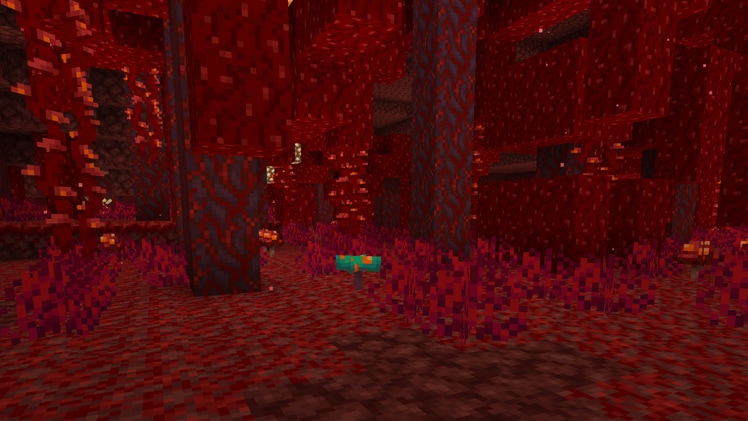
You might think that gathering nylium of either variety is easy. Whack it with a pickaxe, right? But it turns out that the fungal matter it contains is pretty fragile, so in order to collect it, you’ll need to use a silk touch pickaxe. If you lack the sophisticated tool for the job, it can also occasionally be found in hoglin stables in bastion remnants.
So what can you do with it once you got it? Well, one thing you can do is make more nylium. If you apply bonemeal to netherrack sitting next to a nylium block, it’ll allow it to spread. You can also apply bonemeal directly to the nylium itself to generate vegetation. Finally, if you apply bonemeal to fungi sitting on a nylium block, there’s a chance that it’ll grow into huge fungi.
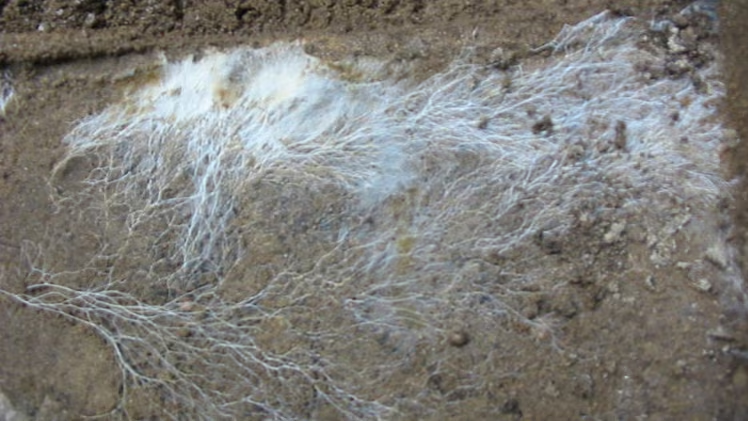
Image credit: Lex vB // CC BY-SA 3.0
.jpg)
Thankfully, there’s no nether in the real world (or at least, no one has successfully built a nether portal and lived to tell the tale). But fungi occur in every environment on Earth and play very important roles in most ecosystems, so it stands to reason that if there was a nether then we’d probably find some sort of mycelium in it.
One of the many magical things about fungi is that they don’t need light to grow, so they’d be very much at home in a nether-like environment. That’s why they’re perfectly happy in caves too – there are more than a thousand species of fungi known to live in caves worldwide. In fact, caves are one of the very first places where mushrooms were farmed.
So there’s a takeaway tip for you – if you need a lot of fungus in a hurry, finding some nylium is very likely to be a winning strategy.